
Team
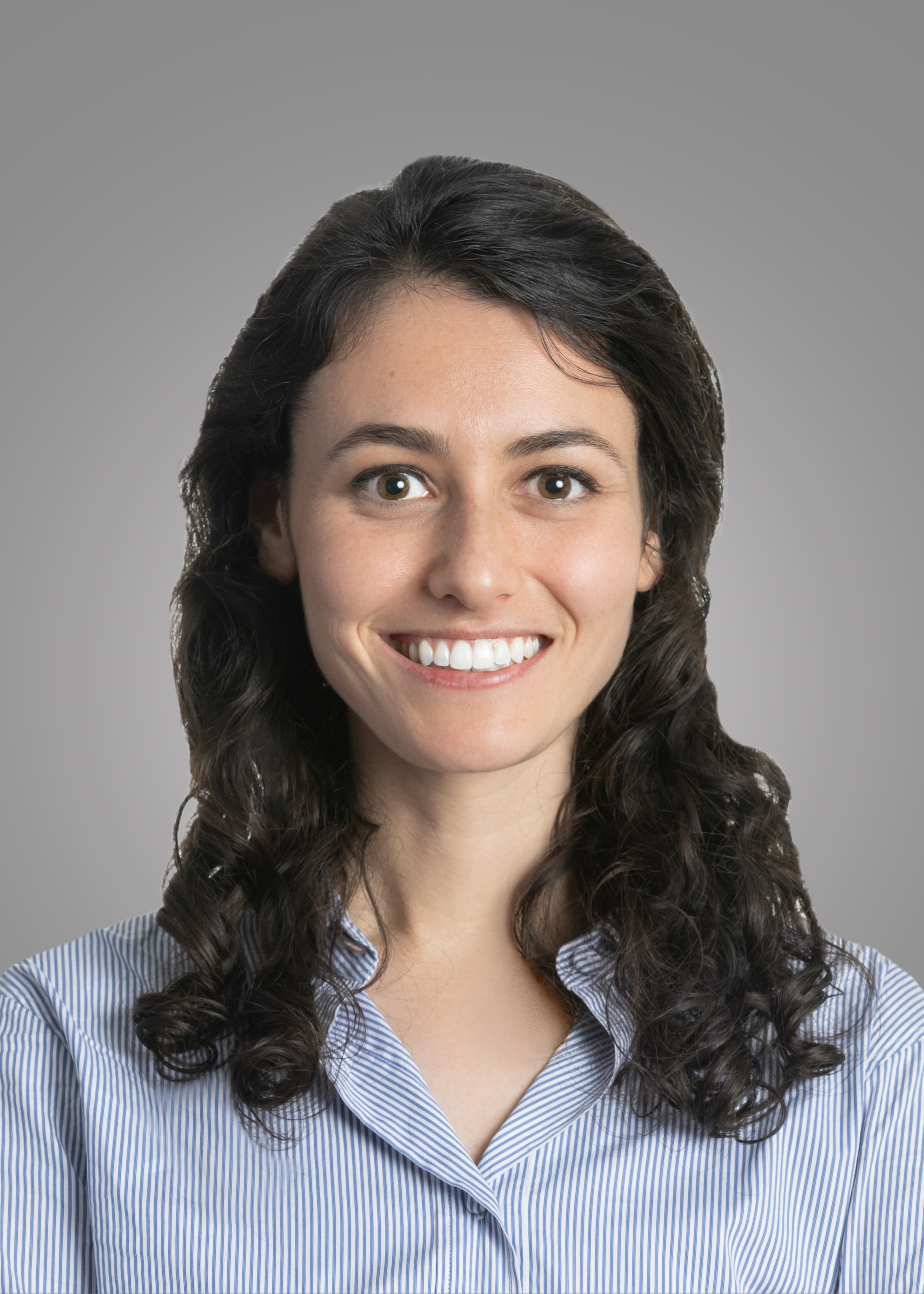
Dr Gabi Heller is a biophysicist who has developed new experimental and computational methods for targeting IDPs involved in cancer, dementia, and viral infection, including contributing to the discovery of ‘entropic expansion’ and ‘specific diffuse’ binding mechanisms. Gabi’s work has been recognised by several prestigious fellowships and grants. Gabi brings her experience as a Principal Investigator at University College London (UCL). She was previously a Schmidt Science Fellow at UCL, following her Rosalind Franklin Research Fellowship and Gates-Cambridge Scholarship at the University of Cambridge.
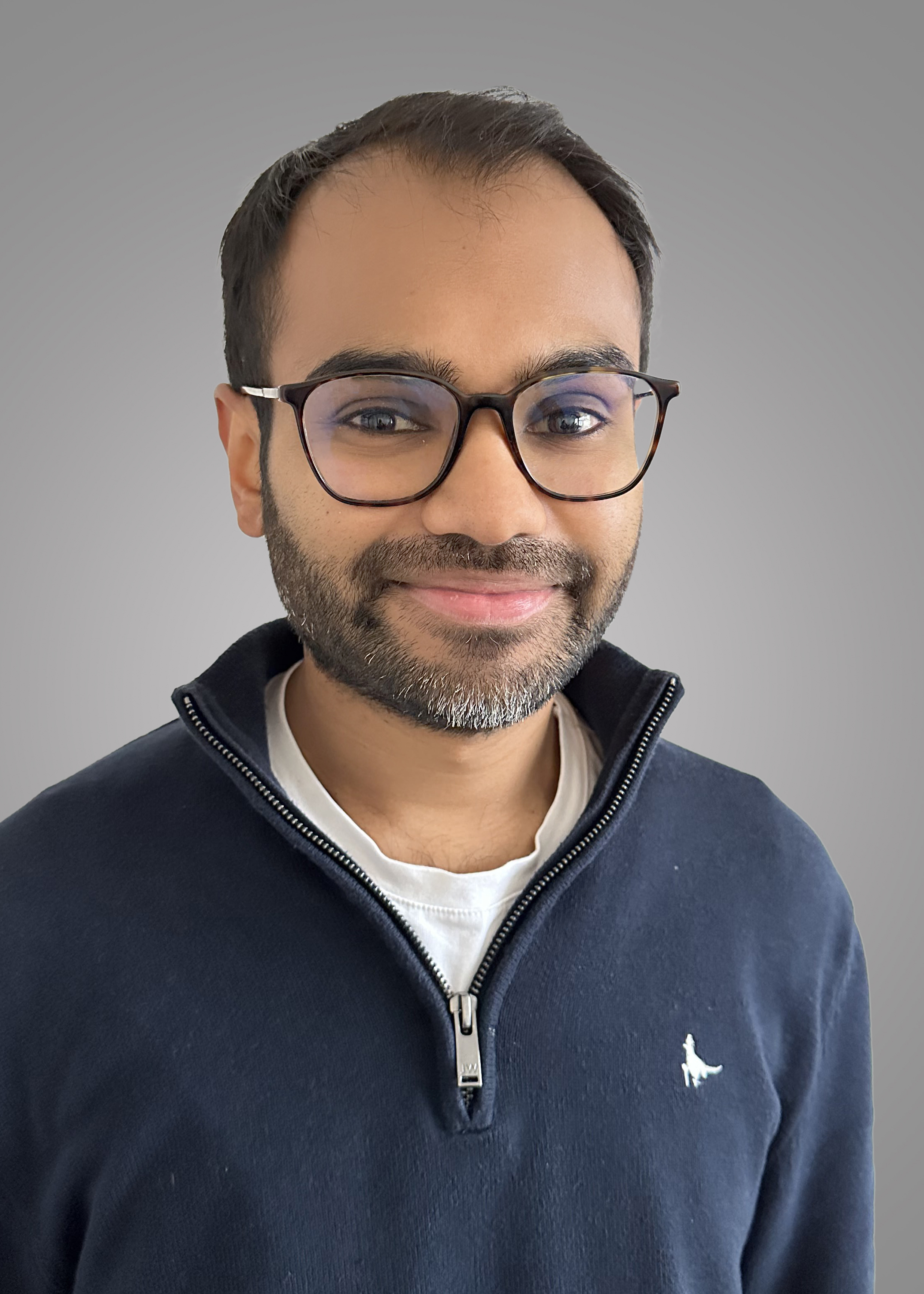
Dr Gogulan (Gogs) Karunanithy is an expert in Nuclear Magnetic Resonance (NMR) spectroscopy, specialising in automated high-throughput workflows and designing deep neural networks for data transformation. At Bind, Gogs is leading NMR technical development to meet milestones for experimental characterisation of interactions, managing relationships with NMR centres to ensure resource access, and establishing the laboratory.
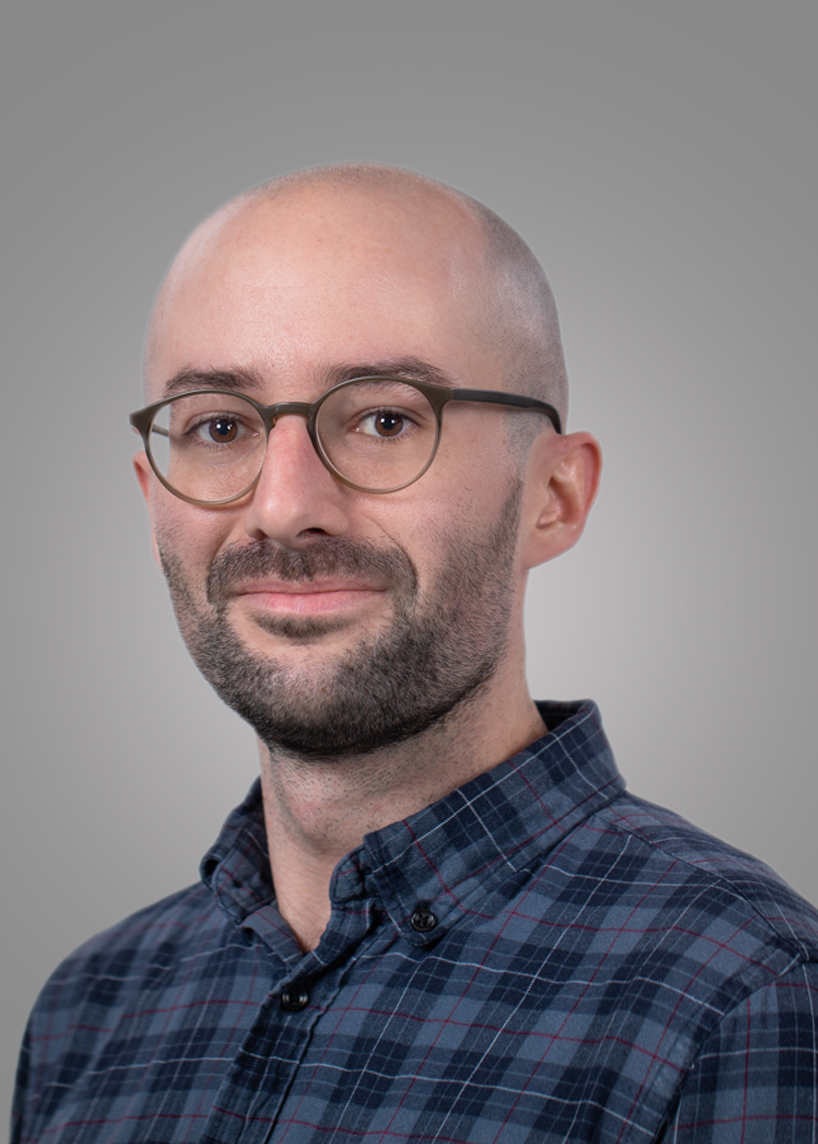
Dr Thomas Löhr is an expert in computational methods for studying protein dynamics and interactions. Thomas will leverage his extensive experience in academia and industry to lead a computational team developing tools to characterise small-molecule binding to IDPs. Thomas is overseeing the integration of simulations and machine learning, as well as efforts to enhance user-friendliness. Additionally, Thomas is managing the company’s AI strategy and IT systems.
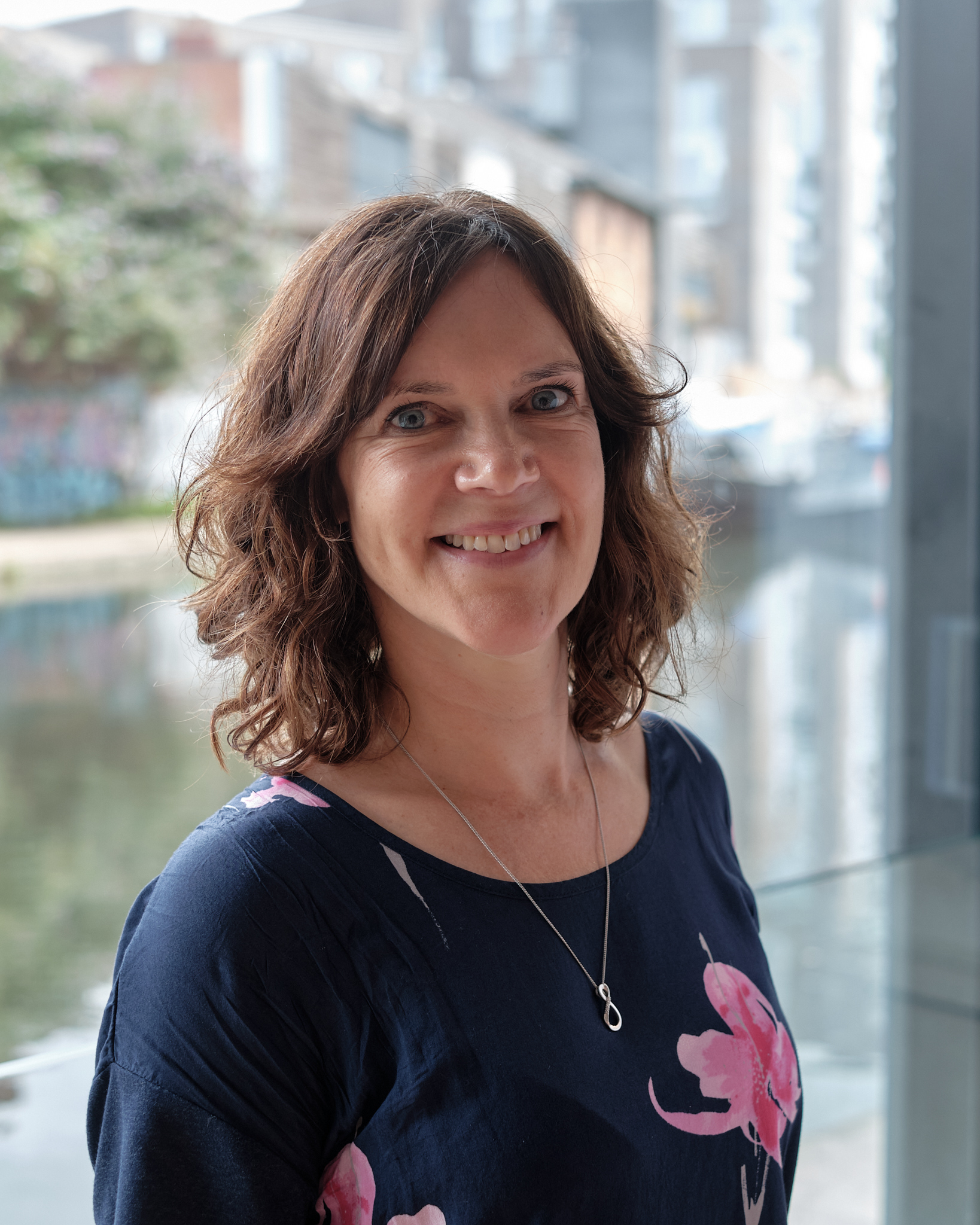
Dr Laura Fletcher is a life sciences commercialisation expert with a strong track record in building industry partnerships and launching biotech ventures. She is Director of Strategic Partnerships at Bind and formerly was Head of Partnerships and Venture Portfolio at Deep Science Ventures, where she helped to create startups tackling major therapeutic challenges. She also led Strategic Alliances at Cancer Research UK, brokering transformative drug discovery collaborations with global pharma. Laura has negotiated numerous licensing, collaboration, and spin-out deals. She holds a First Class Biochemistry degree and a PhD in cell signalling from the University of Bristol and has worked in academic and commercial research in the UK and US. Laura has been involved with Bind since the very early stages of developing the initial funding proposal and played a key role in helping establish its founding partnerships. Now, Laura is leading the development of commercial and non-profit partnerships to accelerate Bind’s mission and bring IDP-targeting therapeutics closer to patients.
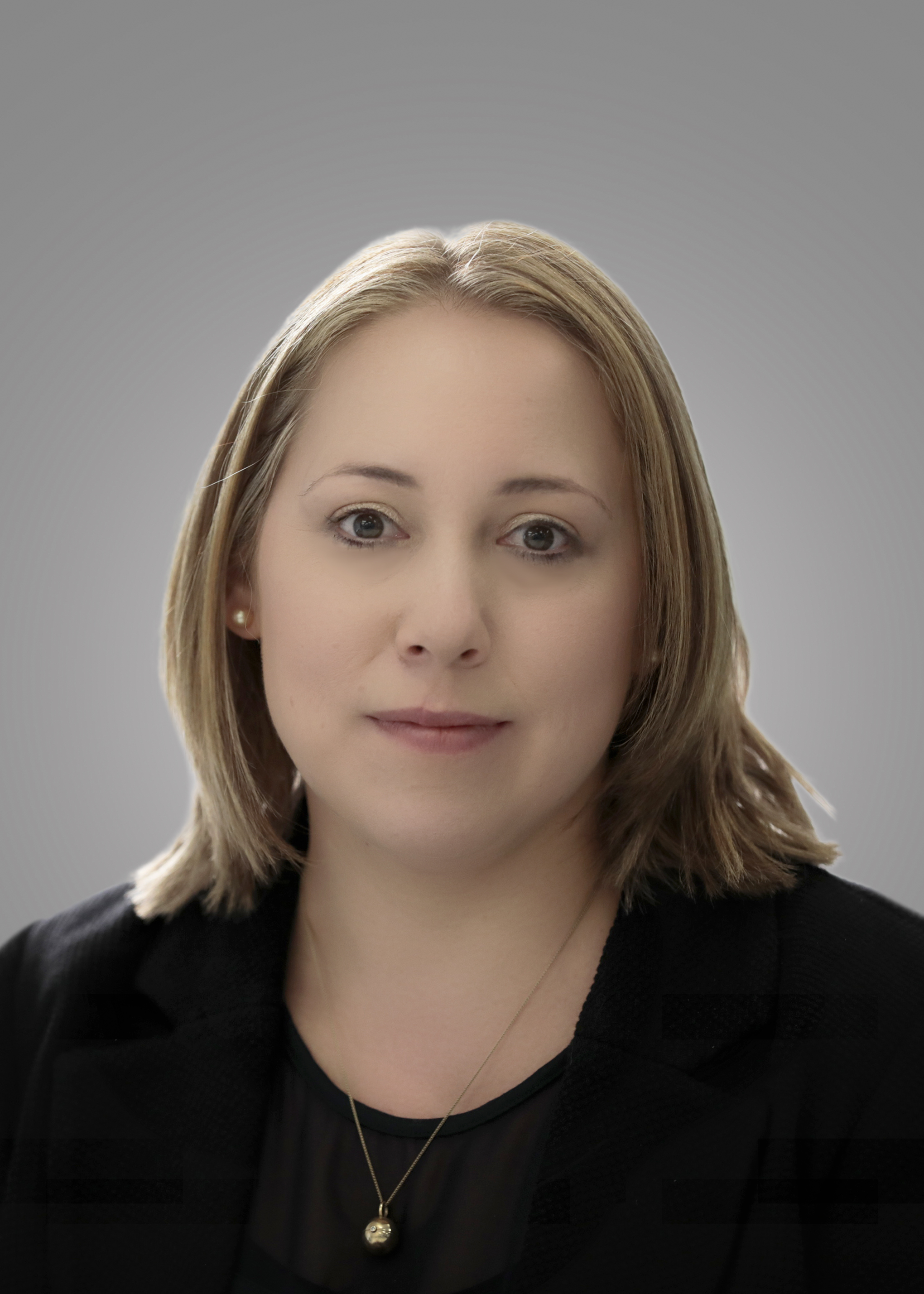
Melissa Strange is a commercially-minded senior finance leader with over 16 years worth of experience in life sciences companies. Melissa has been involved from early-stage research through clinical development and into commercial phases, and has worked across biotech, healthtech and medtech, where she has provided expertise in financial strategy, tax management and has supported a range of commercial and corporate transactions, including significant dilutive and non-dilutive funding. Prior to joining Bind Melissa served as Chief Financial Officer at Infinitopes, Brainomix and Closed Loop Medicine and was VP, Finance for Summit Therapeutics, a NASDAQ listed biotech. Melissa is also Chair of the Finance and Tax Advisory Committee at the BioIndustry Association. Melissa will be overseeing Bind’s financial operations and legal aspects.
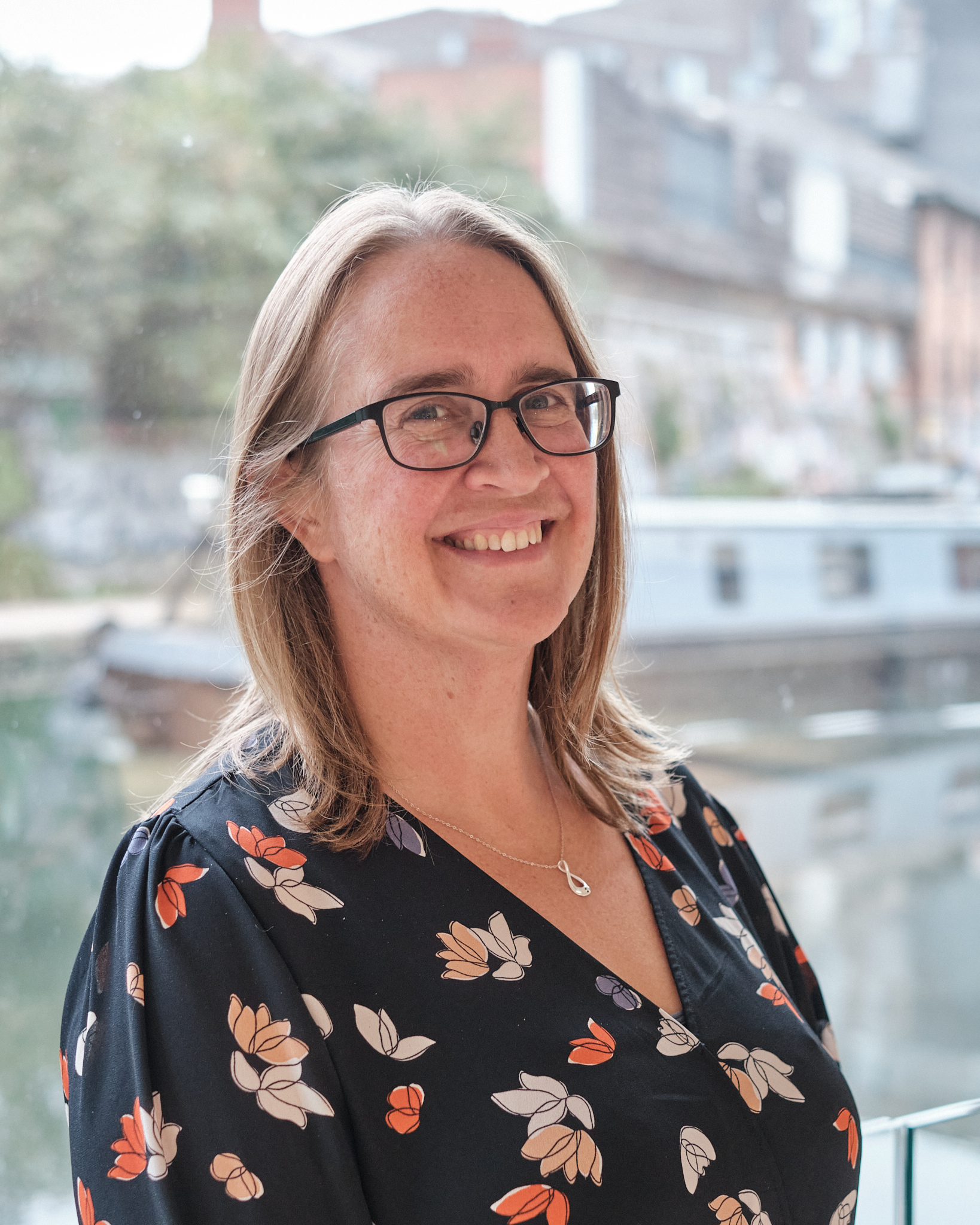
Wendy is a life sciences operational expert who has held senior operational roles at multiple biotech companies and prior to this spent some years managing a large high-throughput gene editing team at the Wellcome Sanger Institute. Wendy holds a DPhil from the University of Oxford and more recently completed an MBA with the OU Business School. Wendy has responsibility for ensuring the organisational operations and processes are developed appropriately to support the organisation and its people.
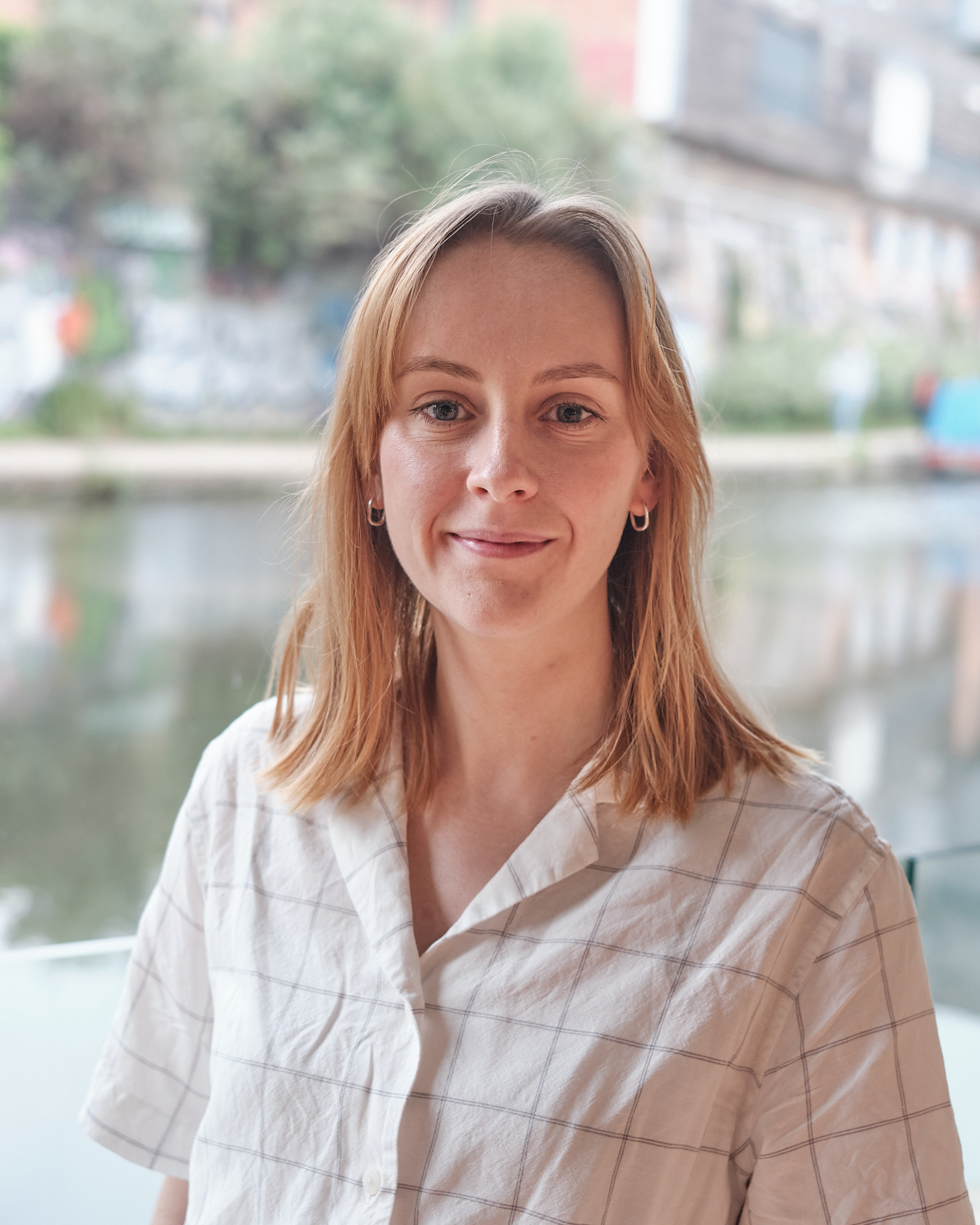
Dr Jasmine (Jaz) Cornish is an expert in intrinsically disordered proteins, having worked with multiple disordered systems in both academia and industry. Leveraging her knowledge of biophysical methods optimised for the investigation of IDPs, she will lead the protein and drug discovery team in identifying small-molecule binders and improving and developing better techniques to identify and characterise IDP-small-molecule interactions.
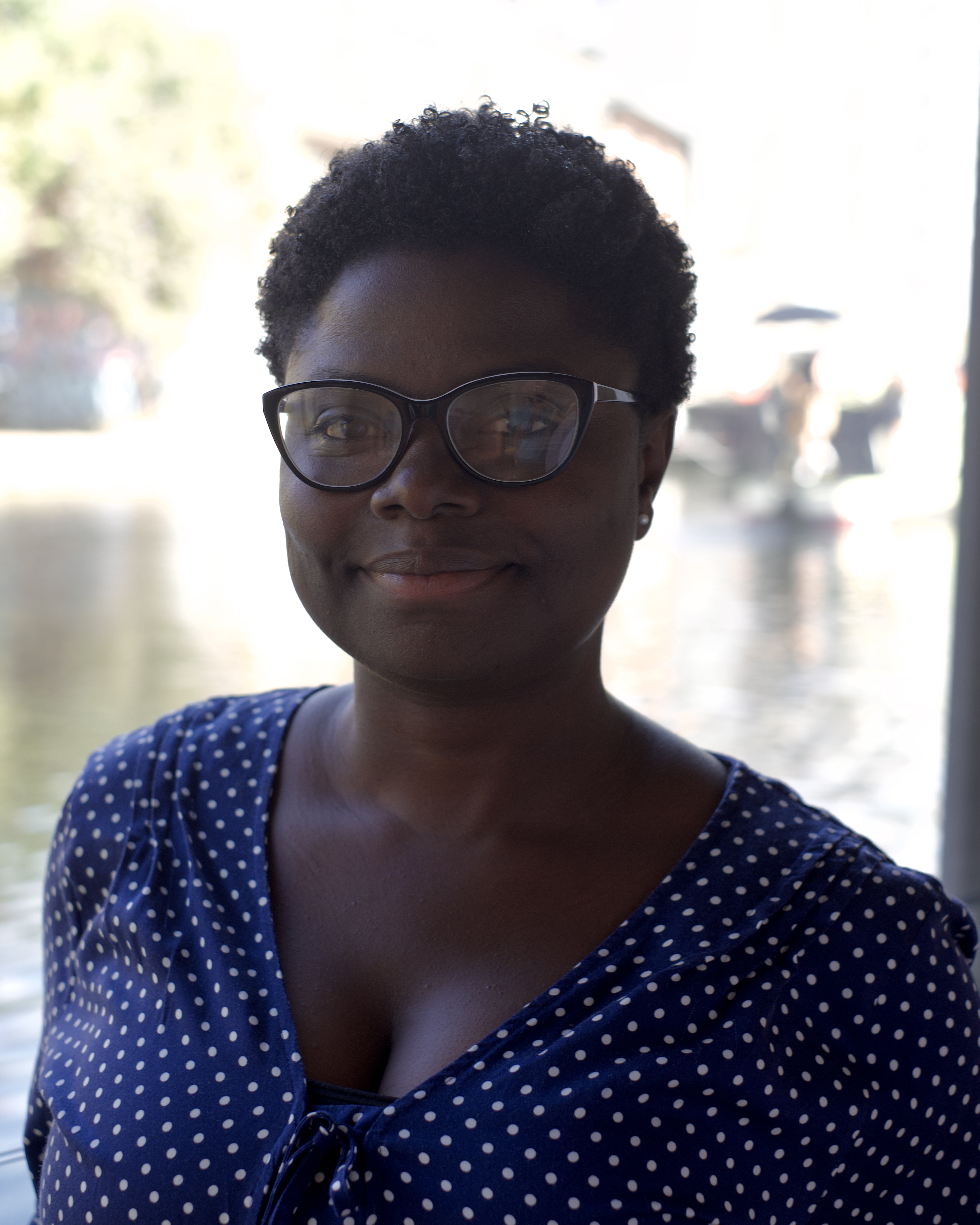
Dr. Sharna-kay Daley has a background spanning pharmaceutical R&D, clinical research, and data-driven product development. She has delivered complex, cross-functional programs across drug discovery research, AI tool development, and scientific infrastructure. At Bind, Sharna is overseeing the end-to-end delivery of research programmes, ensuring alignment between scientific goals, technical execution, and operational efficiency.
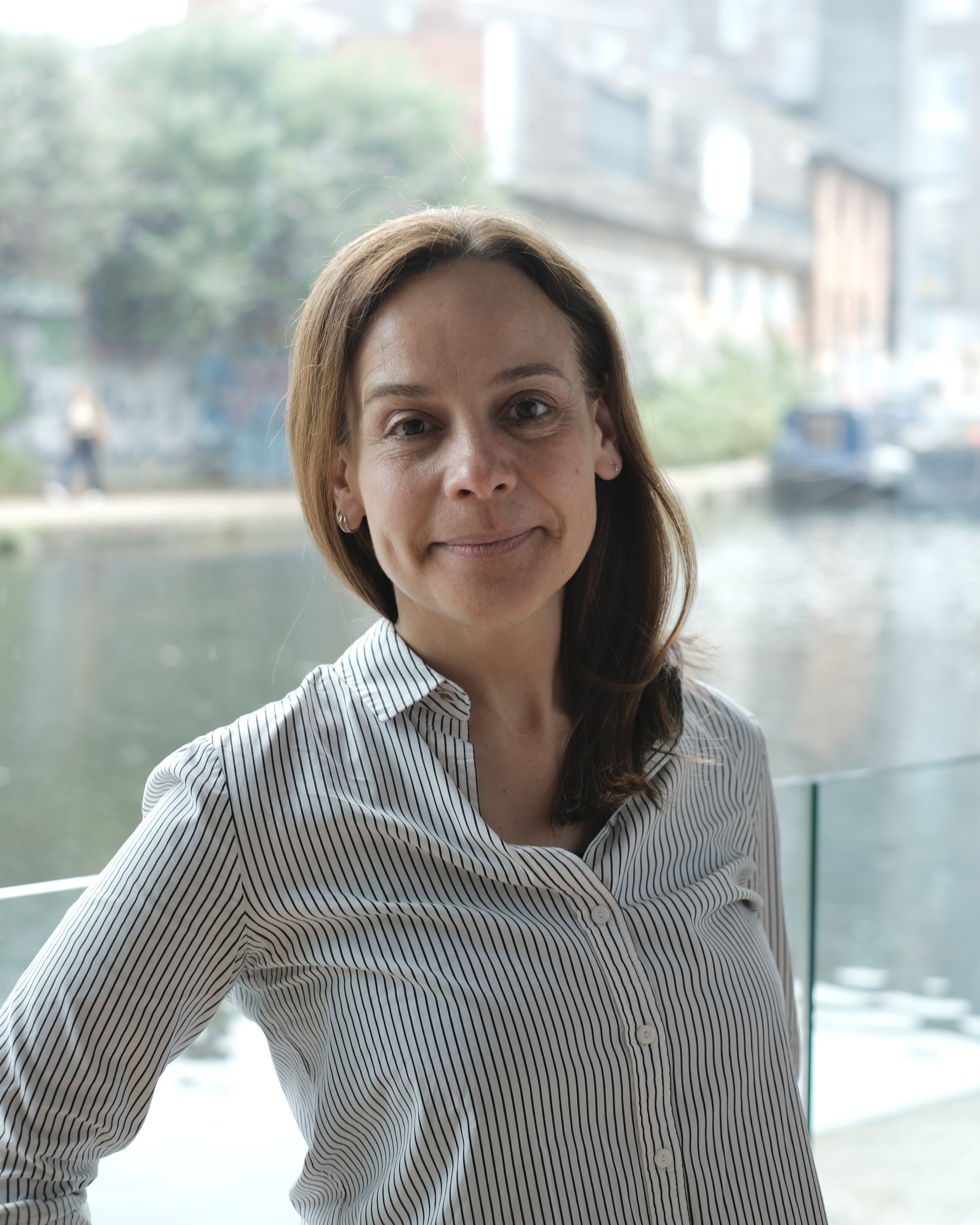
Dr Acely Garza is a biochemist with a lifelong passion for understanding the chemical bases of protein function. She brings to Bind her expertise in protein and small molecule biophysical characterisation, as well as in protein structure, expression and purification of cytoplasmic, secreted and transmembrane proteins. Her broad experience and commitment to systematic experimental design will contribute to the development of robust and efficient high-throughput workflows for the identification and characterisation of IDP-small-molecule interactions.
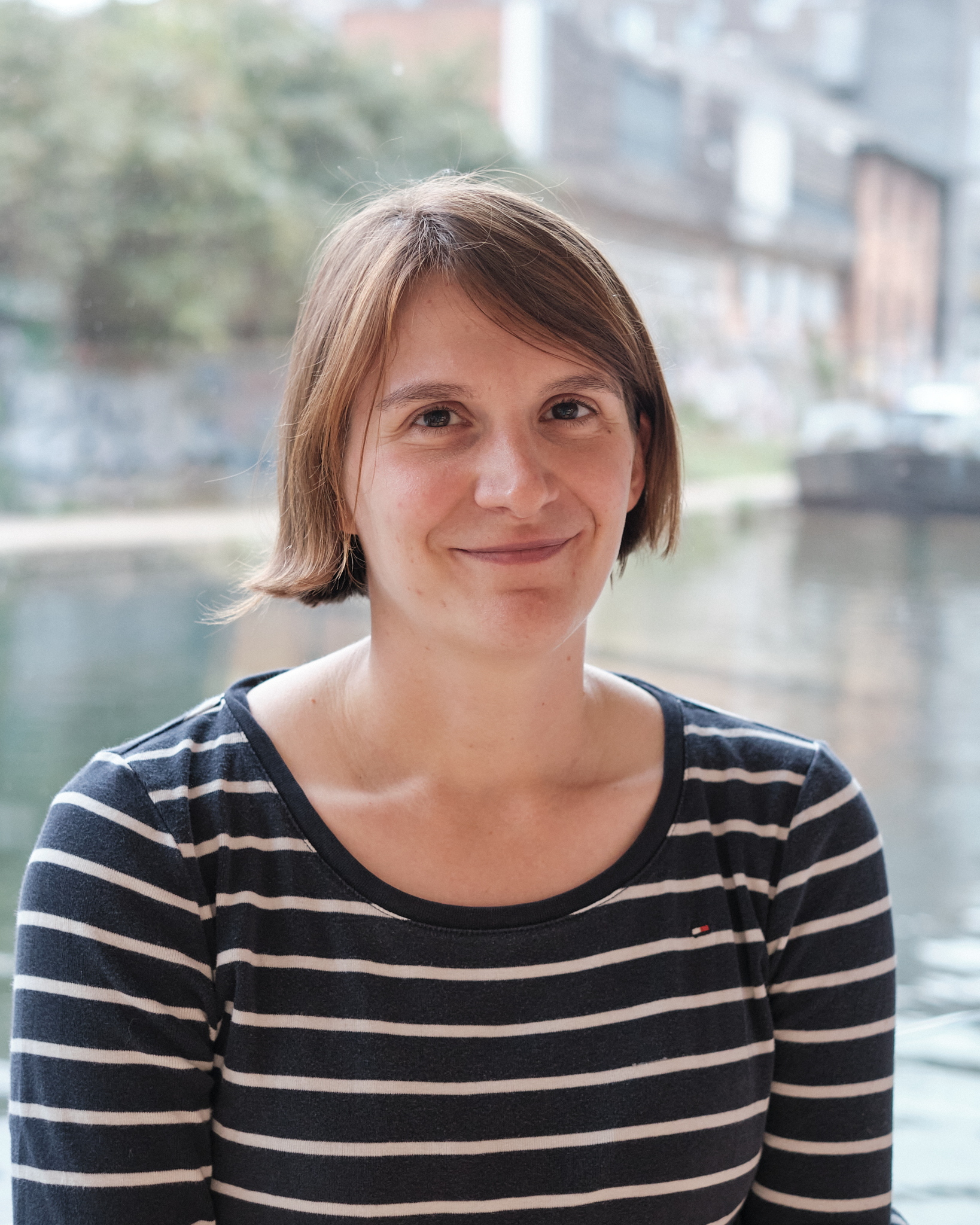
Dr. Anais Naretto is a biochemist and structural biologist specializing in the production, purification, and characterization of challenging proteins, including aggregation-prone and membrane proteins. She brings academic and industry experience to developing high-throughput approaches for studying interactions between IDPs and small molecules.
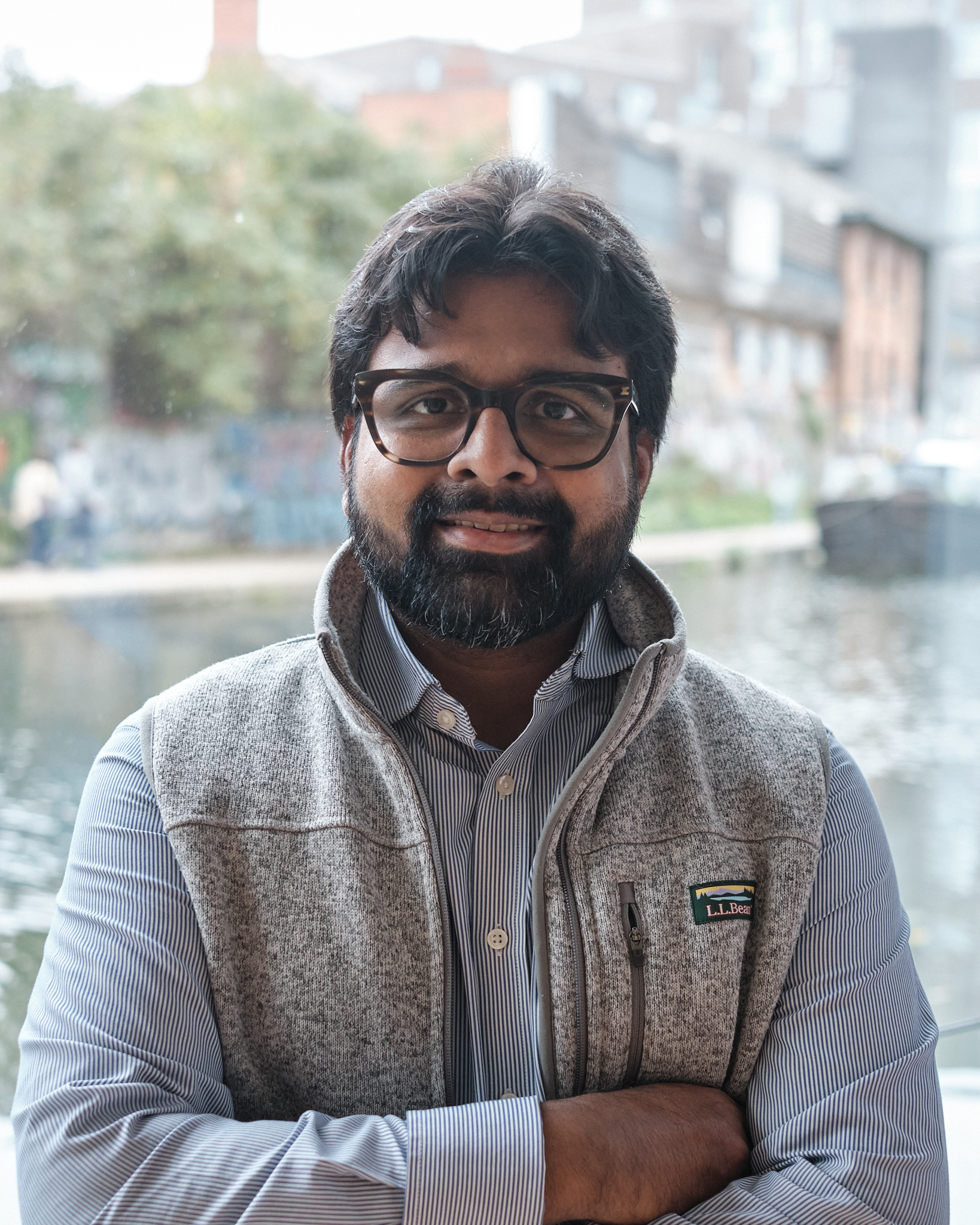
Studying dynamic protein complexes and nucleic acid machines are Ananth's primary interests. During his PhD, he visualised the architecture of mRNA 3′-end processing machinery, helping shed light on how gene expression is regulated. His subsequent postdoc work focussed on human non-coding RNAs and transcription factors. Ananth's entrepreneurial acumen has been recognized by his selection into the SYNC1.0 program and the Big if True Science fellowship. At Bind, Ananth will help build pipelines to study IDP-small molecule interactions, drawing on his earlier work on RNA-small molecules.
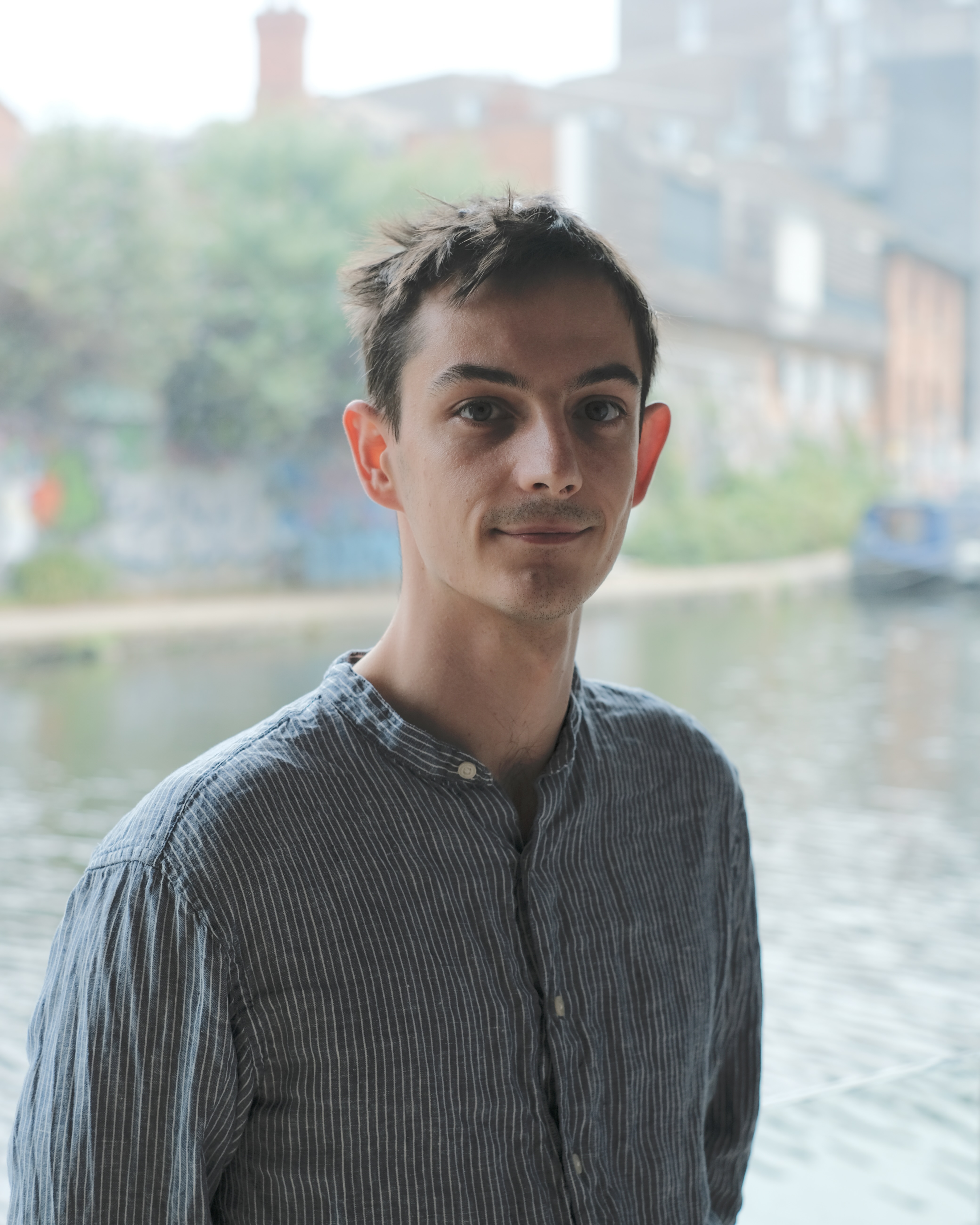
Dr Candide Champion is an expert in developing new computational methods for drug discovery. His experience ranges from simulating large biomolecular systems, comparing simulated structural ensembles and dynamics to biophysical experimental data, to force field development of small organic molecules using quantum methods. He will contribute to the development of automated tools to characterise small-molecule binding to IDPs.
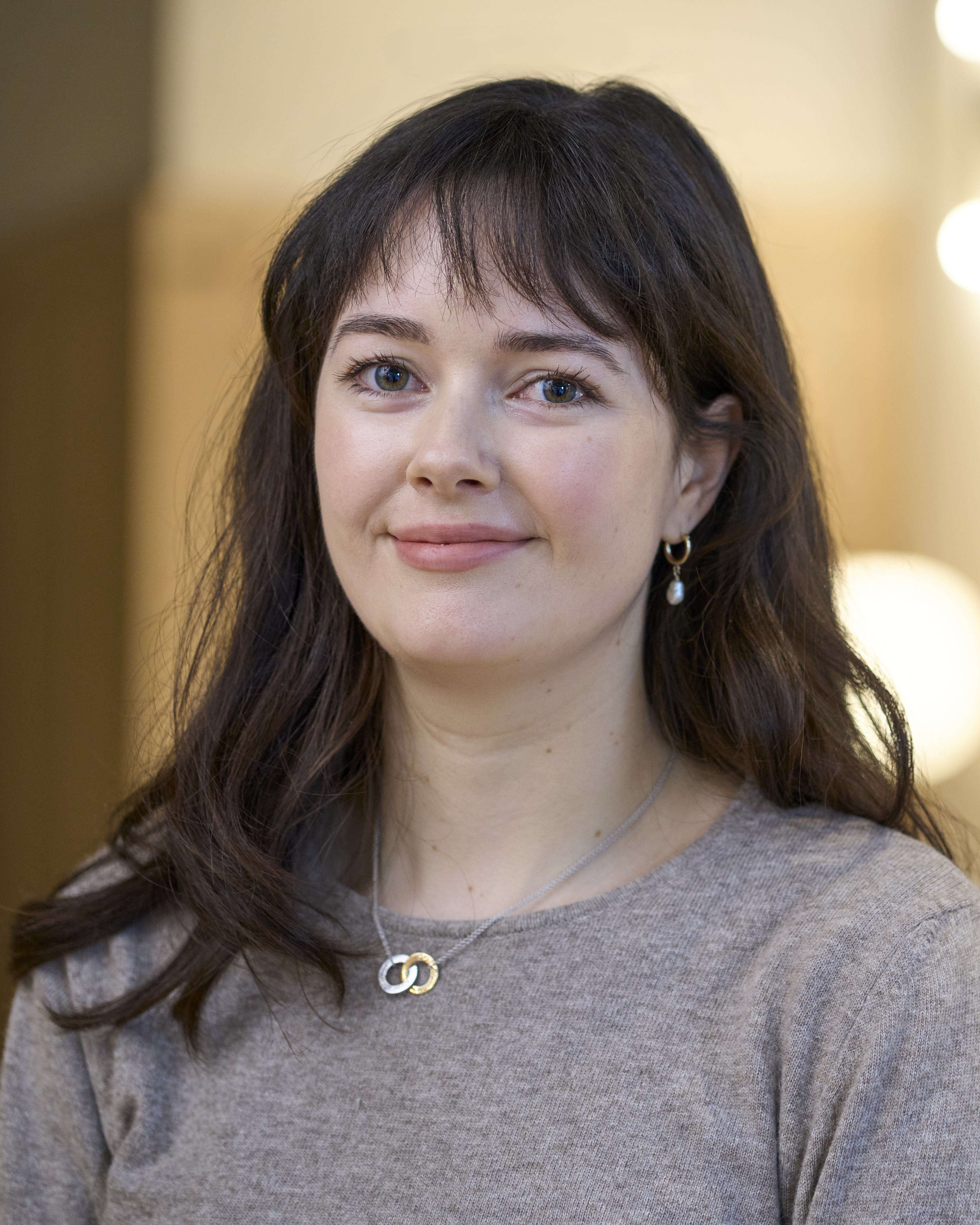
Dr Hannah Kiely-Collins is a chemical biologist specialising in chemoproteomics and proximity-inducing modalities for 'undruggable' targets. Previously a Senior Scientist at the Francis Crick Institute, she contributed to translational projects spanning oncology, schizophrenia, and inflammatory bowel disease. Her broad experience working at the academia-industry interface and passion for chemoproteomics underpin her work at Bind, where she is building a chemoproteomics platform to enable IDP ligand discovery in native biological systems and collaborating closely with partners to enable the characterisation of IDP-small molecule interactions by mass spectrometry methods.
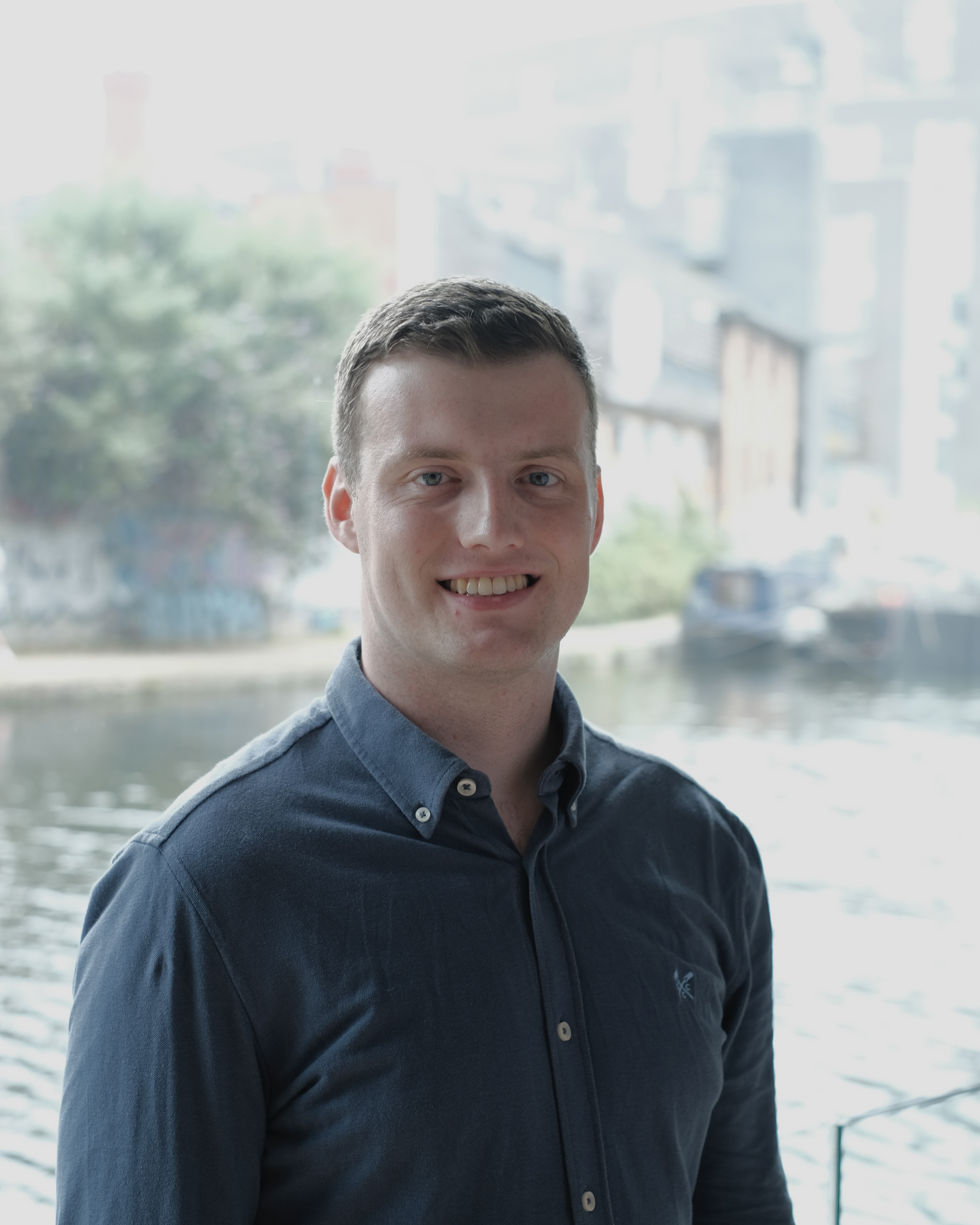
James Eaton is a specialist in Nuclear Magnetic Resonance (NMR) spectroscopy. He has previously worked on NMR method development, data analysis and applications of NMR to intrinsically disordered proteins (IDPs). At Bind, James is working on developing robust and efficient workflows for collecting and analysing NMR data on IDPs. These NMR methods provide high throughput, atom-specific characterisation of small molecule binding to IDPs, complementing the other biophysical and computational techniques at Bind.
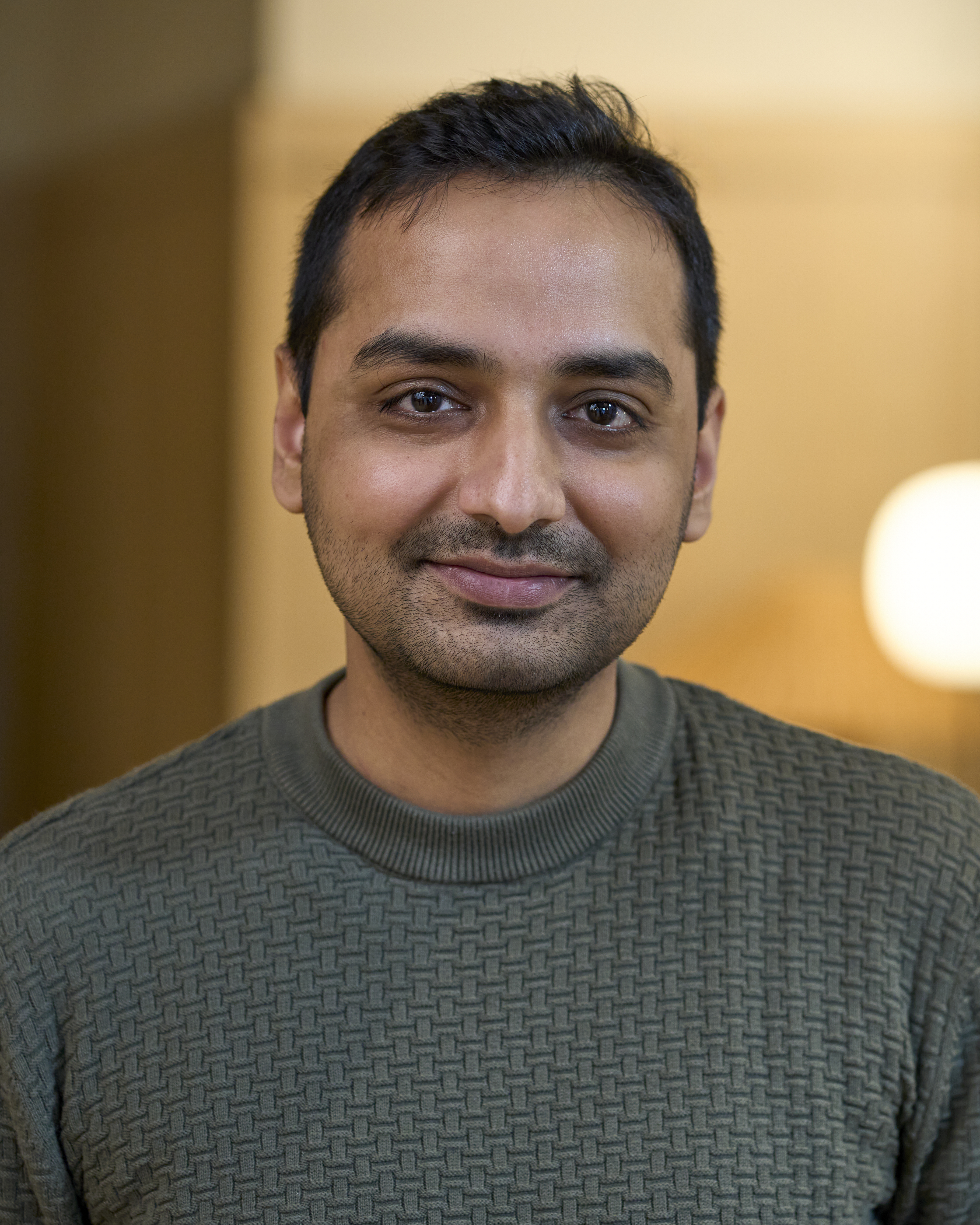
Dr Pijush Chakraborty is a structural biologist and biophysicist specialising in the molecular mechanisms of protein aggregation. His research has uncovered disease-specific amyloid structures associated with human tauopathies and revealed how post-translational modifications, molecular chaperones, and phase separation regulate the aggregation of intrinsically disordered proteins such as tau and α-synuclein. Drawing on extensive expertise in NMR and other advanced biophysical techniques, Pijush has provided detailed structural insight into the formation and modulation of dynamic protein assemblies. At Bind, he will help build and apply pipelines to study IDP-small molecule interactions.
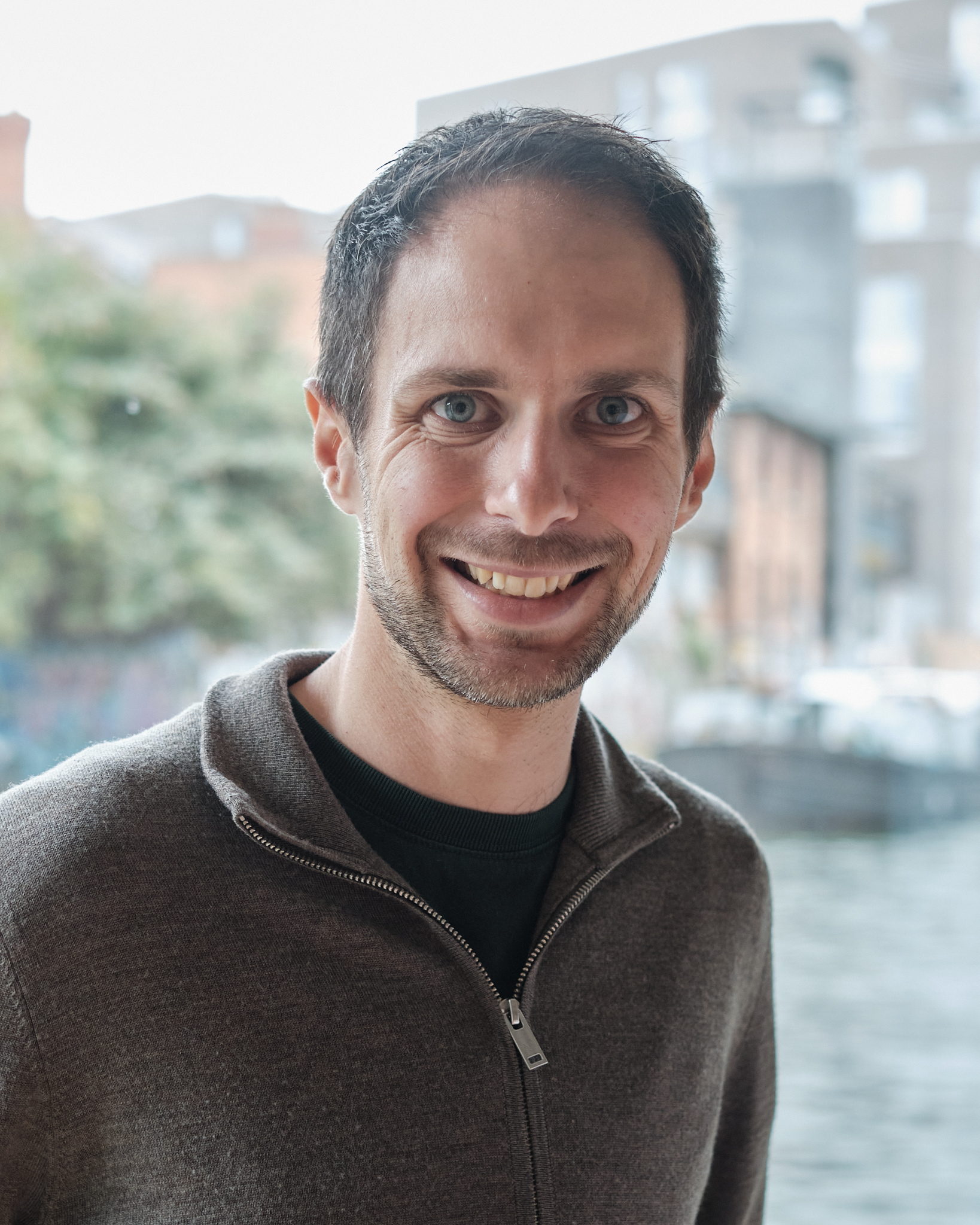
Dr Sören von Bülow is a computational biophysicist and expert in biomolecular simulation. He has previously worked on the development of simulation algorithms and models, simulation studies of complex biomolecular systems, and the design of machine learning based predictors of protein biophysical properties. At Bind, he will apply his expertise to develop automated workflows for the sampling of IDP dynamics and interactions.
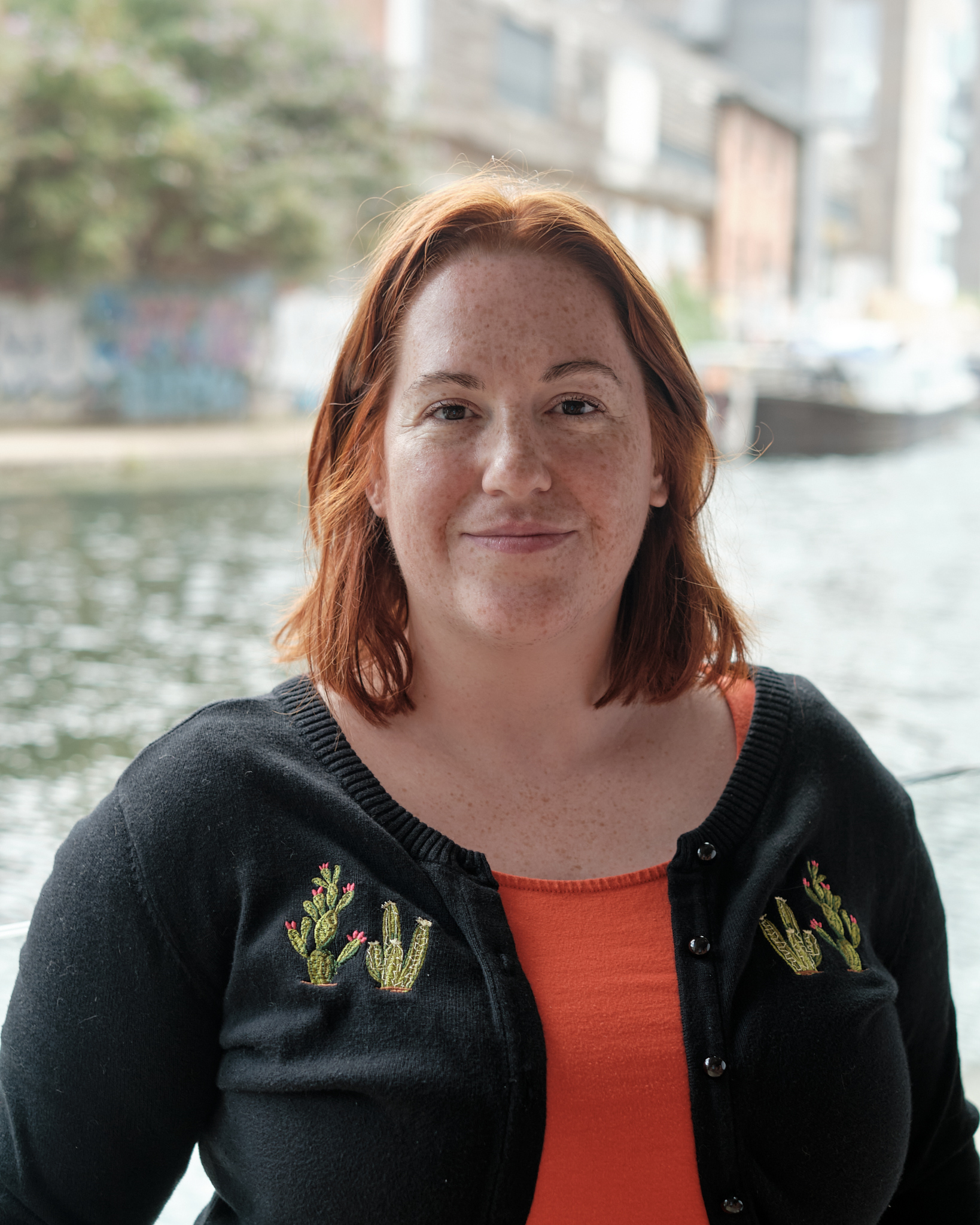
With nearly two decades of administrative experience, Stephanie Pritchard has built a career supporting senior leaders across the legal, not-for-profit, and corporate sectors. Before joining Bind, she spent over six years as Executive Assistant to the CEO of a not-for-profit that specialised in bespoke mentoring for executive women from the FTSE 100 and 250 companies. Her background also includes roles in both commercial and family law, where she developed a strong foundation in executive support and office management. In her current role as Office Manager at Bind, she brings a calm, organised presence to a dynamic and research-focused environment. Outside of work, she enjoys roller skating, board games, and spending time with her two cats.
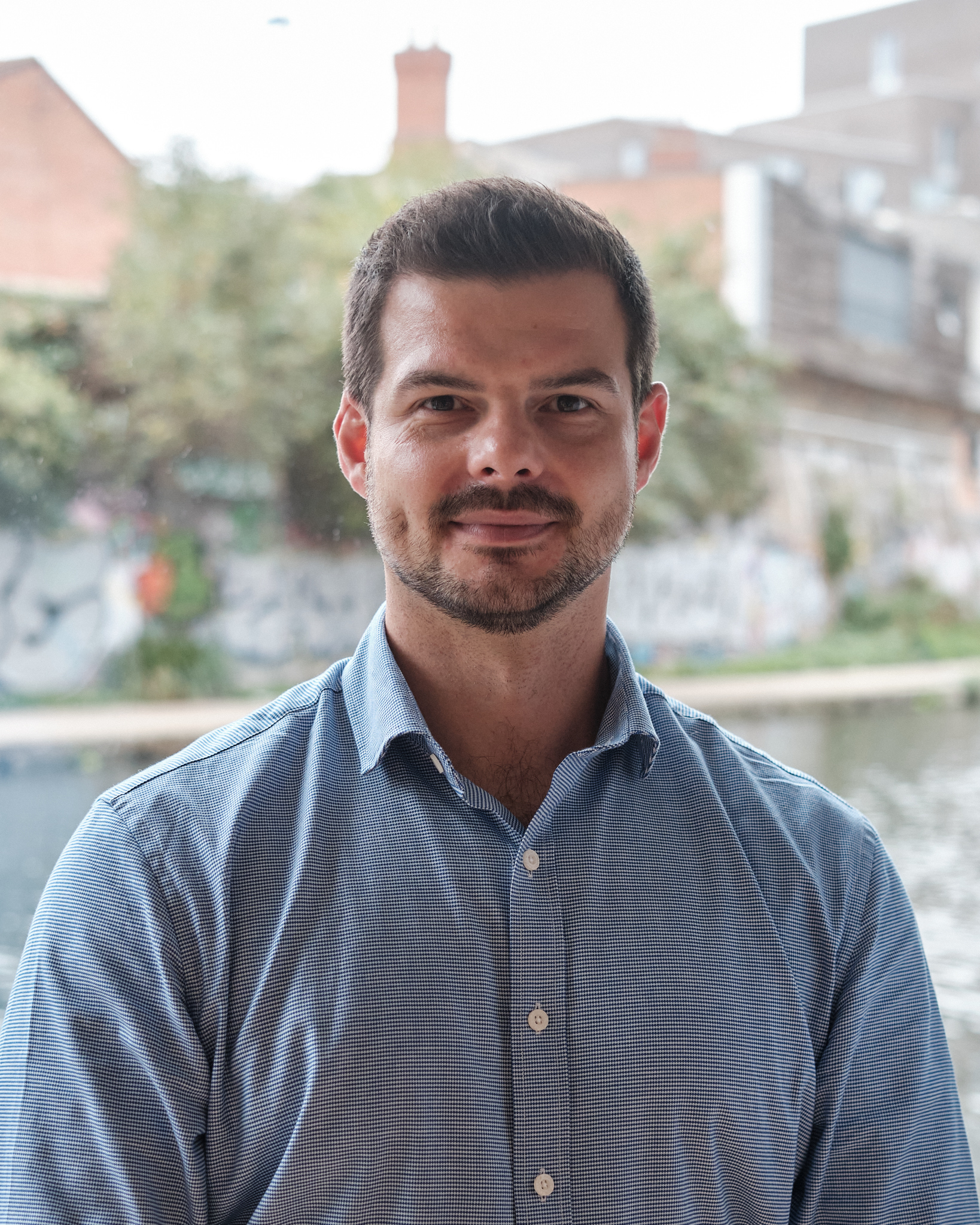
Alex Messam has a background in taking companies from early-stage research, through to clinical development. With a strong foundation in financial operations, Alex has led initiatives across internal controls, SOX compliance, system implementations, and has overseen multi-entity reporting aligned with public company standards. At Bind Research, Alex will be responsible for leading financial operations and supporting the company’s continued growth and innovation.